Our impact
Turning Hope into Meaningful Change
We measure impact not simply by the number of people we reach, but by the difference our work makes in their lives: confidence, resilience, knowledge, skills and opportunity.
Our current reported position
Our strategic framework grows from work we have already started. These are the figures recorded in our own programme records.
8
women supported to establish small businesses
Businesses currently running.
6
young people supported to establish businesses
Businesses currently running.
approximately 200
children receiving sanitary pads each month
Ongoing monthly distribution.
6
vulnerable children supported with school fees
Alongside books, materials and other school needs.
82
children reached
Documented 19 August 2026 community programme.
26
teenagers among those participants
Same documented programme.
56
children below teenage years
Same documented programme.
Quarterly
youth counselling forums
Held alongside mentorship and personal-development activities.
These figures represent the Foundation's reported programme experience and current starting point. They are not lifetime totals. Individual projects and donor submissions contain the detailed evidence, dates, locations, budgets and beneficiary records relevant to each intervention.
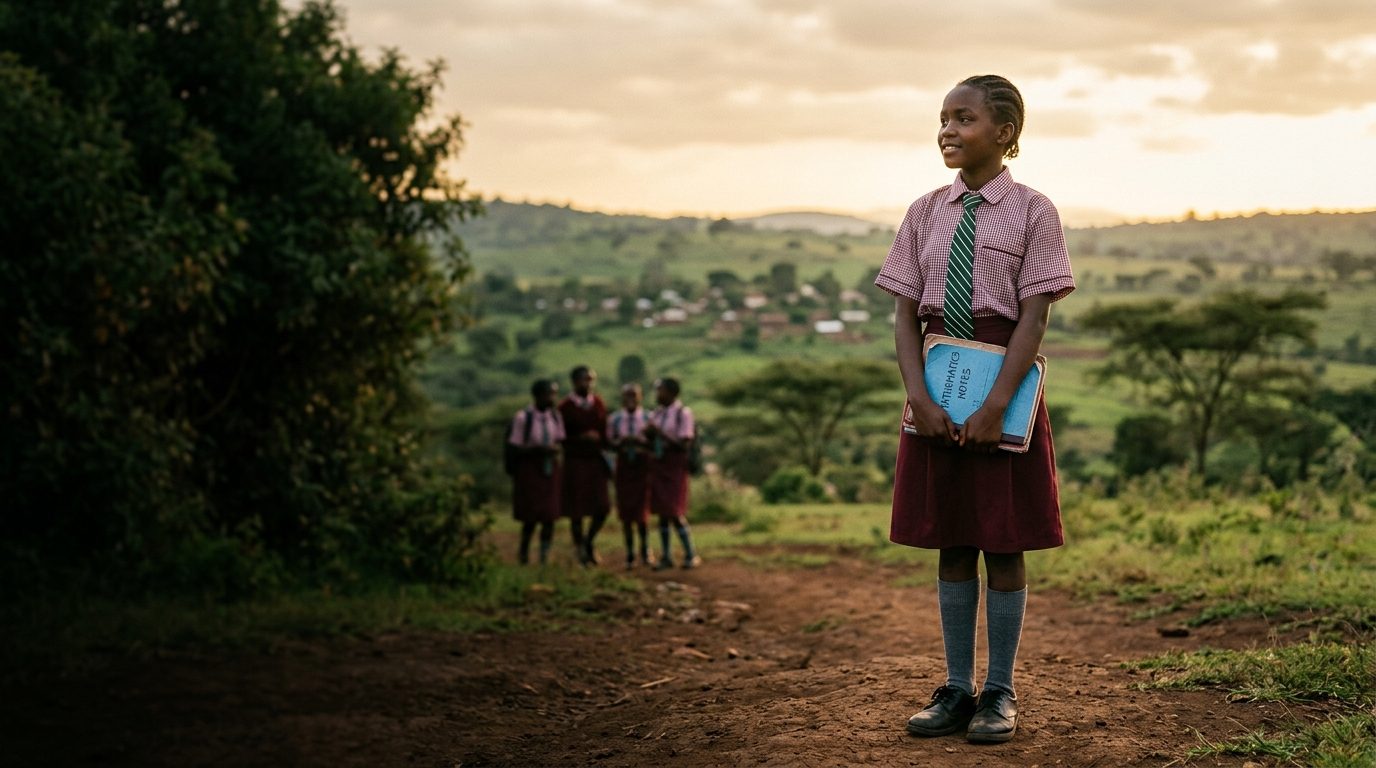
Children & education
Education, safety, dignity and a stable future
Every child deserves the opportunity to access quality education, grow in a safe and supportive environment, and develop the knowledge, skills and confidence needed to build a better future.
In June 2026, the Foundation supported three children who had been living on the streets to return to school. We are taking ongoing responsibility for their educational needs, including school fees, books and other learning materials, food support and essential school requirements. Our aim is not simply to return these children to the classroom, but to provide the stability, care, encouragement and support they need to remain in school.
Beyond the children we support more comprehensively, we provide occasional educational assistance to vulnerable children in different schools, prioritising those whose parents or caregivers are experiencing significant financial difficulties.
What this support includes
- School fees assistance
- Exercise books and stationery
- Textbooks and revision materials
- School uniforms and clothing
- Other essential learning materials
- Food and school-related support
- Mentorship and career guidance
- Menstrual health support
The need is greater than our current capacity
Every year we meet families struggling to keep their children in school because of financial hardship. Some parents are forced to choose between school expenses and basic household needs such as food, healthcare and housing. This creates a significant gap between the number of children who need support and the number we are currently able to assist.
We continue to seek responsible partnerships, sponsorships and donor support to expand the number of children we can reach.
Women & livelihoods
Empowerment creates pathways beyond short-term relief
We see women as central to household and community transformation. Our experience with women who have started small businesses has strengthened our commitment to economic empowerment as a major pathway toward poverty reduction.
We measure progress not simply by the number of women trained, but by the extent to which supported women are able to sustain and grow viable economic activities.
- Small-business start-up and strengthening support
- Entrepreneurship and business-management training
- Financial literacy and savings linkages
- Mentorship and peer support
- Market access and business linkages
- Vocational and practical income-generating skills
- Women's leadership and participation in community development
Youth
Young people need opportunities, guidance and practical pathways
Through mentorship, counselling, career guidance, life-skills activities and community engagement, we help young people develop positive values, make informed choices and identify pathways towards education, employment, entrepreneurship and responsible citizenship.
We run these programmes quarterly and continue to use our youth counselling forums as an important platform for reaching young people while developing broader partnerships for professional counselling and psychosocial support.
Our focus includes career guidance, mentorship, entrepreneurship and business planning, digital literacy, financial literacy, employability, vocational and technical training linkages, internship and employment linkages, leadership, character development and life skills.
Menstrual health & dignity
Dignity, hygiene and continued participation
Every month we provide sanitary pads to more than 200 girls, helping them manage their menstrual health with dignity and remain engaged in school and community activities.
This support helps reduce the challenges that menstruation can create for girls, including absenteeism, discomfort, stigma and limited participation in education. Our goal is to promote menstrual dignity, improve school attendance and support the health, confidence and wellbeing of girls.
Community outreach
Practical support alongside mentorship and connection
We conduct quarterly feeding programmes for children and teenagers, providing food while creating opportunities for counselling, mentorship, learning and connection.
Our outreach activities also include teaching on good morals and values, discipline, character development, career pathways, games and recreation. According to our records we meet more than 80 children quarterly.
Our documented 19 August 2026 community programme at Kabete "N", held from 9:00 a.m. to 5:00 p.m., reached 82 children, including 26 teenagers and 56 children below the teenage years. The programme included feeding, counselling and mentorship, teachings on good morals and values, career pathways, discipline and character development, as well as games and recreation.
Monitoring, evaluation and learning
How we measure change
Our monitoring and evaluation approach moves beyond counting activities to understanding change.
| What we measure | Examples |
|---|---|
| Reach | Women, youth, children, households and communities reached. |
| Activities | Trainings, counselling forums, feeding activities, distributions, enterprise support, environmental activities. |
| Outputs | People trained, children supported, businesses established or strengthened, outreach activities delivered. |
| Outcomes | School participation, enterprise continuation, skills gained, improved practices, referrals completed. |
| Quality | Participant feedback, safeguarding performance, timeliness and complaints resolution. |
| Sustainability | Community contribution, continued operation of supported enterprises and continuation of benefits after funding. |
We use attendance records, beneficiary files, school records where available, follow-up forms, financial records, photographs held with appropriate consent, testimonials and other appropriate evidence to document our work.
Theory of change
How change happens in our work
When vulnerable people are connected to appropriate support, skills, education, opportunities, services and relationships, and when communities are enabled to participate in developing sustainable solutions, people can strengthen their capabilities, resilience and self-reliance.
- Needs Poverty and vulnerability limit income, opportunity, education, health, dignity and resilience.
- Inputs Our people, volunteers, funding, partnerships, knowledge, community relationships and systems.
- Activities Education support, enterprise support, skills, counselling, health and nutrition activities, livelihoods, WASH, environmental action and community development.
- Outputs People supported and trained; children reached; enterprises supported; forums held; outreach conducted; referrals made; community structures engaged.
- Short-term change Improved access, knowledge, skills, confidence, dignity and opportunity.
- Medium-term change Stronger livelihoods, improved school participation, better practices, stronger wellbeing and increased resilience.
- Long-term change More self-reliant individuals, stronger households and resilient communities contributing to poverty reduction.
Help us close the gap between need and capacity.
The demand for support is greater than the resources currently available to us. Responsible partnerships and sponsorships allow us to reach more children, young people and women.